Warning: Undefined array key "TEcqkr" in /home/clients/7086924e8ffe6571fbbda91d0c7b33d3/sites/serenity-montpreveyres.ch/wp-includes/shortcodes.php on line 1
Uncategorized – Page 12 – serenity

Catégorie : Uncategorized

  • Cómo elegir las mejores páginas de apuestas deportivas para principiantes

    Ingresar en el mundo de las apuestas deportivas puede ser emocionante y potencialmente rentable, pero también implica riesgos si no se seleccionan adecuadamente las plataformas. Para los principiantes, escoger una página confiable y adecuada a sus necesidades es fundamental para disfrutar la experiencia y minimizar posibles pérdidas. En este artículo, te guiamos paso a paso sobre los factores clave que debes considerar para hacer una elección informada y segura, apoyándonos en ejemplos y datos relevantes que faciliten la comprensión.

    Factores clave para evaluar plataformas de apuestas deportivas para novatos

    Seguridad y licencia: Garantías para proteger tu inversión

    Uno de los aspectos más importantes al escoger una página de apuestas es la seguridad. Esto se refleja en la existencia de licencias oficiales otorgadas por organismos regulatorios reconocidos, como la Dirección General de Ordenación del Juego (DGOJ) en España o la Malta Gaming Authority (MGA). Estas licencias aseguran que la plataforma cumple con estrictos estándares de protección de datos y mecanismos de juego responsable. Por ejemplo, plataformas como Bet365 y Bwin cuentan con licencias internacionales que garantizan transparencia y seguridad para sus usuarios, evitando fraudes y robo de información.

    Facilidad de uso: Navegación sencilla y procesos intuitivos

    Para los principiantes, la facilidad de navegación es esencial. Las plataformas intuitivas permiten aprender rápidamente y realizar apuestas sin complicaciones. Un buen ejemplo es 1xBet, que combina un diseño limpio con procesos de registro y apuestas simplificados. Además, contar con bots de ayuda o tutoriales puede facilitar la curva de aprendizaje. Una interfaz confía en que el usuario pueda realizar sus apuestas en pocos clics, lo cual es fundamental para que la experiencia sea positiva y motivadora. Para explorar opciones confiables, puedes consultar plataformas recomendadas en https://glitzbetscasino.es/.

    Opciones de pago y retiro: Métodos confiables y sin complicaciones

    Las transacciones económicas se hallan en el centro de cualquier plataforma de apuestas. Es recomendable elegir páginas que ofrezcan múltiples métodos de pago confiables como tarjetas de crédito/débito, monederos electrónicos (Skrill, Neteller), transferencia bancaria y pago móvil. La rapidez en el depósito y retiro, junto a tasas mínimas, también influye en la comodidad del usuario. Por ejemplo, plataformas como Betsson permiten realizar pagos en minutos mediante métodos como PayPal, facilitando una gestión eficiente del dinero.

    Funcionalidades y herramientas útiles para nuevos apostadores

    Bonos y promociones específicas para principiantes

    Los bonos de bienvenida, las promociones sin depósito y las apuestas gratuitas son recursos valiosos para los novatos. Estas ofertas permiten practicar sin arriesgar dinero propio y aprender en un entorno real. Un ejemplo notable es la promoción de bono del 100% hasta 200 euros en Betway, que habilita al usuario a apostar con fondos adicionales al realizar su primer depósito. Sin embargo, siempre es importante leer los términos y condiciones para comprender los requisitos de apuesta y fechas límite.

    Soporte en línea y atención al cliente eficiente

    Contar con soporte en línea efectivo puede marcar la diferencia ante dudas o problemas. Las plataformas con chat en vivo, correos electrónicos y número de teléfono disponibles 24/7 ofrecen tranquilidad. Por ejemplo, Sportium destaca por responder en minutos mediante su chat en vivo, lo que favorece la resolución rápida de inconvenientes y fomenta la confianza del usuario.

    Recursos educativos y tutoriales para mejorar habilidades

    El aprendizaje continuo es clave para los principiantes. Sitios que brindan guías, blogs y tutoriales sobre estrategias básicas de apuestas, análisis de partidos y gestión del dinero, ayudan a que los novatos adquieran conocimientos útiles. La sección de recursos en Betfair, por ejemplo, cubre desde conceptos básicos hasta análisis estadísticos avanzados adaptados para principiantes.

    Aspectos legales y regulatorios que influyen en la elección

    Legislación local y restricciones en apuestas deportivas

    Las leyes varían según cada país y región. Mientras en países como Reino Unido, la regulación es estricta y transparente, en otros países puede existir una regulación limitada o nula, dificultando la protección del apostador. Es fundamental verificar que la página opere legalmente en tu ubicación y que cuente con licencia válida. Por ejemplo, en México, la Ley de Juegos y Sorteos regula las plataformas autorizadas, lo que ayuda a evitar sitios ilegales que puedan poner en riesgo tu dinero y datos personales.

    Comparación de plataformas según tipos de deportes y mercados disponibles

    Deportes populares y variedad de opciones de apuestas

    Las plataformas más completas ofrecen apuestas en una variedad de disciplinas deportivas, desde fútbol, baloncesto, tenis y rugby, hasta deportes menos tradicionales como eSports o dardos. Por ejemplo, Bet365 cubre más de 30 deportes diferentes, permitiendo apostar en mercados como ganador del partido, hándicap, apuestas en vivo y apuestas combinadas. La variedad de mercados aumenta las posibilidades de explorar diferentes estrategias y encontrar oportunidades que se ajusten a los conocimientos del usuario.

    Impacto de las opiniones y experiencias de otros usuarios

    Revisión y valoraciones en comunidades en línea

    Consultar las experiencias de otros usuarios ayuda a identificar plataformas confiables y a detectar posibles inconvenientes. Plataformas como Trustpilot albergan opiniones verificadas donde los usuarios califican aspectos como la atención, pagos y facilidad de uso. Una valoración promedio de 4 de 5 estrellas en Trustpilot recomienda una plataforma sólida y bien valorada, mientras que opiniones con muchas quejas deberían ser consideradas con precaución.

    Consideraciones de diseño y accesibilidad en las páginas de apuestas

    Compatibilidad con dispositivos móviles y velocidad de carga

    En la actualidad, la mayoría de los usuarios apuesta desde smartphones o tablets. Es esencial que la página cuente con un diseño responsive, adaptable a diferentes tamaños de pantalla y con tiempos de carga rápidos, que minimicen la frustración del usuario. Places como 22Bet están optimizadas para dispositivos móviles, permitiendo apostar en cualquier momento y lugar sin perder calidad de experiencia.

    Factores económicos y límites de apuestas para principiantes

    Restricciones de presupuesto y límites máximos de apuesta

    Para los principiantes, establecer límites de apuesta es recomendable para evitar pérdidas significativas. Muchas plataformas permiten configurar límites diarios o semanales, ayudando en la gestión del dinero. Por ejemplo, Betfair permite establecer límites de depósito y apuesta en la cuenta, promoviendo un juego responsable y controlado desde el inicio.

    Estrategias para minimizar riesgos y evitar fraudes

    Precauciones al compartir datos personales y financieros

    Es vital proteger tus datos, solo compartiendo información en plataformas seguras con encriptación SSL y políticas de privacidad claras. Además, nunca debe compartirse la contraseña de la cuenta y es recomendable habilitar la autenticación en dos pasos si está disponible. Como consejo, nunca hagas depósitos o retiros en redes Wi-Fi públicas sin protección adicional, para evitar interceptaciones. La prudencia y el uso de plataformas confiables garantizan una experiencia segura y protegida.

    « Elegir bien tu plataforma de apuestas deportivas desde el inicio es la primera inversión en tu experiencia de juego responsable y segura. »

  • Why BAL Tokens Deserve a Spot in Your DeFi Portfolio (But Handle with Care)

    Whoa! I got pulled into a Balancer pool last year and it changed how I think about LPing. My first reaction was pure curiosity, then a little panic — fees were moving, impermanent loss reared its head, and somethin’ felt off about my allocation. At the same time, the flexibility Balancer offers is really powerful for portfolio construction, especially if you like custom asset weights and single-sided exposure. Hmm… seriously, though — this isn’t a « set it and forget it » play. These are active instruments in an active market.

    Here’s the thing. You can treat BAL tokens three ways: governance exposure, yield enhancer, or portfolio tilt. Short-term players often hunt BAL incentives and veer between pools. Medium-term holders want governance voice and protocol fee capture. Long-term allocators see BAL as a diversifier that correlates oddly with ETH and broader DeFi, which can be useful or frustrating depending on market regime. On one hand, BAL helps align liquidity providers with protocol health; on the other hand, token emissions and treasury moves can dilute that benefit. Initially I thought BAL was just another governance token, but then I started modeling its effect on portfolio variance and the picture got more nuanced.

    Let me be honest: I’m biased, but I prefer thinking of Balancer as an advanced toolbox, not a passive basket. My instinct said that most retail users underuse custom pool weights. And actually, wait—let me rephrase that: most users don’t plan asset allocation around how pools rebalance and fees compound. You can design a pool with 80/20 weighting to favor a stable asset, or a 50/50 for balanced commodity-like exposure, and that choice changes your expected returns and risk dramatically. Something about that choice bugs me when I see a newbie dump equal weights into volatile pairs without thought.

    Balancing risk requires a method. Start by defining the role BAL and Balancer pools play in your portfolio. Are they core liquidity positions? Tactical yield buckets? Or speculative governance bets? If you can’t answer that, your allocations will wander. Really. A quick framework that I use: (1) set an objective, (2) choose pool structure, (3) size the position relative to volatility and liquidity needs, (4) monitor on a cadence. This is simple, but it’s practical. And yes, you will need to rebalance.

    A visualization of Balancer pool weights and portfolio allocation tradeoffs

    Practical Asset Allocation for BAL and Balancer Pools

    Okay, so check this out—tactical sizing matters. Small experiment first: try allocating 1–3% of your total crypto portfolio to BAL exposure if you’re conservative. Increase to 3–8% for moderate risk appetite, and consider 8–15% only if you actively manage liquidity positions and understand the TVL dynamics. That range isn’t gospel, but it helps frame downside exposure. On the risk side, BAL is still volatile, and protocol-level risks — like governance dilution or smart contract exploits — are real and non-trivial.

    Some folks treat BAL like a utility token that pays fees back to stakers. Others treat it purely as an incentive. Both mental models matter when you decide whether to stake or trade. Staking for governance can give you a seat at the table, though it usually means locking tokens and absorbing timing risk. Trading BAL for harvest-and-rotate strategies can amplify returns, but it’s operationally intensive and tax-heavy in the US. I’m not 100% sure on how your tax situation maps to frequent harvesting, so check with a CPA. Seriously.

    Pair selection is another lever. Low-slippage, high-liquidity pools (major stable/stable or ETH/major) reduce impermanent loss and make fees more predictable. Exotic pools with multiple volatile tokens can yield huge fee income, but the math of IL often eats you alive during big moves. On a systemic level, Balancer’s ability to create multi-asset pools lets you construct exposures that mimic portfolio baskets — think weighted baskets of stablecoins plus BTC and ETH — and that reduces single-asset risk while offering fee capture from trades routing through your pool.

    Strategy aside, the tech layer matters. For hands-on DeFi users, Balancer’s smart pools and dynamic weights are compelling because they allow automated rebalancing logic. Initially I thought dynamic weights would be marginal, but after backtesting rebalancing rules within a pool, I was surprised at how much they can change outcomes over long horizons. On the other hand, smart pool complexity increases attack surface. So there’s a tradeoff between automation benefits and security exposure, and you gotta weigh that carefully.

    Honestly, liquidity mining incentives will skew behaviors. Programs that boost BAL emissions can temporarily mask poor pool design. That’s okay for arbitrageurs. For long-term allocators, those incentives are noise unless they align with real fee revenue and sustainable TVL. My gut feeling: always favor pools with a path to organic fee generation. If incentives disappear and no traders remain, your APR collapses fast.

    FAQ

    How should I balance BAL tokens versus liquidity provision?

    Short answer: split based on role. If you want governance influence and long-term protocol exposure, hold BAL tokens (stake or delegate). If you want ongoing income, provide liquidity in strategically chosen pools and accept the impermanent loss tradeoff. A common split is 50/50 between token hold and LP exposure for those who want both, but adjust for risk tolerance and operational bandwidth.

    What pool weights should I use for portfolio-like holdings?

    For portfolio-like exposures, weighted multi-asset pools (e.g., 60/25/15 stablecoin/ETH/BTC or similar) can approximate a diversified crypto allocation while earning fees. Heavier stable weighting reduces volatility but also cuts upside. The exact weights depend on your return target and drawdown tolerance. Start small and iterate.

    Is staking BAL worth it?

    Staking provides governance power and can earn emissions, but it typically requires locking tokens and accepting long-term risk. If you want a voice in protocol governance and believe in Balancer’s roadmap, staking may be worthwhile. If you prefer liquidity and nimbleness, keep them un-staked and employ active strategies instead. Oh, and check slashing or lock-up terms — they vary.

    Okay, a few quick operational notes before I drift. Monitor TVL and fee revenue, not just APR. Watch on-chain governance proposals — those can swing token value. Consider insurance coverage if you plan to commit meaningful capital, and use multiple wallets or multisig for treasury-like positions. Also, practice with small positions to learn pool behavior; LP math can be counterintuitive when markets move fast. There’s nothing worse than realizing your « high yield » bucket is actually a high loss bucket after a single crash.

    One last practical pointer: if you’re looking for reliable documentation and up-to-date tooling, start with the balancer official site and then branch to analytics dashboards. The docs often have examples of pool creation, weight math, and fee settings, which are immensely helpful when designing a pool that matches your allocation intent. Read governance threads, too—community sentiment and proposals can shift protocol incentives overnight. And yep, price action can too.

    I’m wrapping up with a candid take: Balancer is elegant and versatile, but it demands respect. It’s not magic. Use it to express nuanced allocations, but be deliberate about sizing, pool design, and monitoring. You’ll make mistakes. I did. Learn from them, iterate, and keep your playbook written down. Or at least scribbled in a note somewhere. Life’s messy, DeFi is messier, and that’s part of the fun… and the risk.

  • Why Yield Farming and Multi-Chain Trading Need a Better Wallet (and How to Find One)

    Okay, so check this out—I’ve been knee-deep in liquidity pools and cross-chain swaps for years. Whoa! The landscape keeps changing. At first glance it looks like a mad rush for yield and quick arbitrage, but actually, there are patterns that tell a different story. My instinct said safety and speed would win. Initially I thought high APYs were everything, but then I realized tooling and custody matter way more than most folks admit.

    Really? Traders still treat wallets like afterthoughts. That bugs me. Medium-term trades get wrecked by slow confirmations. Long-term strategies die on UX issues, though actually the worst is onboarding friction—if you can’t move assets fast, opportunities evaporate. Here’s the thing. You need a wallet that acts like a broker, but without giving up self-custody and control.

    I’ll be honest: I lean toward pragmatic setups. I love the thrill of a 3x farm, but I’m also allergic to avoidable mistakes. Something felt off about the way many wallets promise « multi-chain support » and then choke on token approval flows. On one hand, interoperability is the future. On the other, bridging poorly implemented token approvals is how you lose funds. My first rant digression—sorry—back to the main thread.

    Trading across chains isn’t just about bridges. It’s about orchestration. Wow! You need fast balance visibility, gas estimation, and the ability to cancel or replace transactions when mempools get frenetic. Most wallets show balances, and that’s cute. But when markets swing, you need context—what pools are available, what fees will execute a swap now, and how much slippage you’ll face, all evaluated in real time.

    Dashboard screenshot showing multi-chain balances and yield positions

    How Yield Farming and Cross-Chain Trading Actually Play Out

    Here’s the morning routine for many traders: wake up, scan markets, identify yield opportunities, confirm liquidity depth, and then route funds through a bridge. Sounds simple. Hmm… not so simple. Routing often has hidden costs that eat APY. Short sentence. Then there are failed bridge hops, approvals that lock tokens, and then the painful rebalancing across chains.

    At 7am I once watched a promising farm vanish because the bridge took too long. Seriously? Fees spiked, slippage widened, and what was a sure profit became a loss. That day taught me two lessons: first, having exchange-like integrations reduces friction. Second, the fewer times you hand off custody the better. So yeah—wallets that link into centralized exchange rails can be surprisingly useful.

    Okay, quick aside: I’m biased, but I prefer a hybrid model. Not full custody surrender; just tight integrations that let you deposit or withdraw to an exchange quickly when you need the execution muscle. That balance is rare. It feels like trying to keep the best of both worlds. Sometimes the simplified experience is worth small trade-offs, especially for time-sensitive moves.

    But hold on. There are trade-offs that are uncomfortable. On one side you have pure self-custody and the sweet feeling of control. On the other you have execution velocity and liquidity depth. On one hand it’s empowering, though actually having an integrated option when markets scream is a safety valve.

    When you evaluate wallets, pay attention to these practical checks. Short checklist. Are gas fees estimated across chains? Does the wallet show real-time pool depth and recent trade sizes? Can you move assets directly to an exchange ledger without manual copy-paste keys? Also: are approvals batched or individual? Very very important—small conveniences add up to big risk reduction.

    Why Multi-Chain Support Is More Than a Buzzword

    Multi-chain means juggling different token standards, signature schemes, and bridge mechanics. It’s messy. Wow! The underlying UX often hides that complexity, which is both good and dangerous. Good because traders get a simpler path. Dangerous because they don’t see failure modes until it’s too late. I’ve seen multi-chain wallets fail to reconcile balances across L2s after a bridge hiccup. Not fun.

    Initially I thought chains would fluidly talk to each other. Reality check: they don’t. Each chain has its own mempool, its own congestion patterns, and its own gas dynamics. You need a wallet that understands those idiosyncrasies, not one that pretends all chains are the same. Actually, wait—let me rephrase that: you want tooling that abstracts complexity intelligently while giving you escape hatches when abstraction fails.

    Pro traders will want granular controls. Medium sentence for emphasis. Slippage tolerance, route preferences, gas-optimizing relayer options, and the ability to use centralized rails when latency kills arbitrage. And, don’t forget transaction batching and meta-transactions where supported—these are practical hacks that save both time and money.

    By the way, if you use a wallet linked to an exchange or integrated with it, you get the best order routing and market depth on demand. That can transform a marginal play into a profitable one. I’m not saying give up self custody, but having a fast path to centralized liquidity can be useful when seconds matter.

    Check this out—I’ve tested a handful of extensions and mobile wallets and the ones that performed had a solid UX, reliable bridging partners, and straight-through integrations to exchanges. For traders looking for that blend, consider wallets that explicitly advertise an integrated exchange experience. One such option is the okx wallet, which I’ve used in scenarios where quick transfers to exchange rails were necessary to capture time-sensitive opportunities.

    Market Analysis: How to Read Signals With a Wallet in Mind

    Market signals are noisy. Short observation. Volume spikes, sudden TVL shifts, and oracle delays all create illusions of opportunity. Sometimes the best trade is no trade. My gut often says « don’t chase » and that’s saved me more than once. On the flip side, automated alerts that tie into your wallet’s action module can be invaluable.

    Say a liquidity pool inflates and stablecoin yields jump unexpectedly. Do you have a fast route from your wallet to that chain? Can you break down positions into smaller chunks to reduce slippage? Also—do you have quick access to exit liquidity? On one hand these are tactical things, though they require tooling that supports rapid micro-decisions.

    Also, think about risk layering. Medium thought. Use on-chain analytics to vet pools, crosscheck impermanent loss exposure, and always sanity-check yields against historical volatility. I do this manually sometimes, and frankly it gets tedious. Tools that surface these metrics inside the wallet itself reduce cognitive load and let you act faster.

    There’s another angle: psychological risk. Traders often double down when they shouldn’t. Somethin’ about seeing APY estimates in bright green triggers a dopamine hit. I’d rather see risk-adjusted returns. Wallets that surface both potential yield and downside scenarios are rare, but they’re gold when you find them.

    Common Questions Traders Ask

    How important is exchange integration for yield farming?

    Very. Integration reduces latency and gives access to deeper liquidity pools. That matters for cross-chain arbitrage and for executing larger trades without slippage. You don’t have to move everything to an exchange, but having a smooth path there changes your tactical options.

    Can a wallet be both secure and fast?

    Yes, but it’s a balance. Use a wallet that supports hardware key integrations and optional managed rails that you can opt into. Hybrid models let you keep control while still moving quickly when markets demand it. I’m not 100% sure which model is best for every trader, but in practice hybrid tools win a lot of scenarios.

    What features should I prioritize?

    Gas estimation and optimization, multi-chain balance reconciliation, quick bridge options, approval management, and integrated market data inside the wallet. Also look for batch operations and clear recovery flows—because mistakes happen, and the recovery path matters more than you’d think.

    Alright, here’s my final, somewhat messy thought. Markets will keep fragmenting, and the tools we use will keep chasing speed and ease. If you care about real trading results, pick a wallet that treats execution like a first-class citizen. I get sentimental about pure self-custody sometimes, but pragmatism beats purity when you’re trying to capture fleeting alpha. I’m biased, sure, but that’s from real trades and a few scars.

    So—if you’re building a setup, test it in a sandbox first. Move small amounts. Time bridge round-trips. See how quickly you can route out to an exchange and back. Those exercises reveal more about a wallet’s usefulness than any spec sheet. Try it. Or don’t. Either way you’ll learn somethin’ useful.

  • Why I Keep Coming Back to a Simple Monero Web Wallet

    Whoa!
    This is not your usual crypto tech piece.
    I’m curious and a little skeptical about web wallets—there’s always a catch, right?
    Initially I thought web wallets were just convenience with risk, but then I dug deeper and saw how some designs actually respect privacy while keeping things easy.
    So, here’s the thing: you can have decent privacy without hauling a full node around, though there are trade-offs you’ll want to understand.

    Seriously?
    Monero itself is built for privacy by default, and that changes the rules.
    A web-based Monero wallet is attractive because it drops friction; you open a browser and you’re nearly ready to go, which is great for adoption.
    But the architecture matters a lot—how keys are handled, where requests are routed, and how refresh data is fetched can make or break your privacy guarantees, so don’t just trust the shiny UI at face value.

    Hmm… my instinct said « trust but verify » after my first few tries.
    In my testing I noticed subtle differences between wallets that say « client-side keys » and those that actually behave that way under the hood.
    I found somethin’ odd once—a wallet claiming non-custodial behavior that still leaked metadata to its remote services during background operations, and that bugs me.
    On one hand, the convenience of a web interface is huge for casual users, though actually it’s worth pausing to confirm the implementation details before you import a seed or spend coins.

    Okay, so check this out—there are practical patterns that signal a better web wallet.
    Short lifecycles for session tokens, clear client-side key derivation, and open-source code you can inspect or at least audit are big wins.
    Also, wallets that let you connect through Tor or to a user-selected remote node reduce server-side linkage, which helps when you care about privacy in the real world where ISPs and endpoint monitoring exist.
    If a wallet bundles a hosted node and hides the option to change it, that can centralize information and increase the chance of metadata leakage—definitely something to weigh.

    Screenshot of a simple web wallet interface with privacy notes

    Where a Lightweight Web Wallet Fits in Your Toolkit

    Short answer: it’s for convenience and mobility.
    A web wallet makes everyday tasks simpler—checking balance, quick sends, or moving funds between your devices without syncing a node.
    That said, you should treat it like a tool in a toolbox: great for small, frequent jobs but maybe not the thing for storing large sums long-term, unless you pair it with other safeguards, because threat models change when value increases.
    I’m biased toward layered defenses: even when using a slick web wallet I’ll oftentimes keep a separate, cold backup and limit exposure by not keeping large balances in hot web-accessible wallets.

    Here’s a practical tip I use myself: copy the link for the wallet you intend to use into a password manager entry and label it clearly.
    When you need a hassle-free web option, I use the mymonero wallet because it’s familiar and simple to navigate, and the URL helps me spot impostor pages fast, so I keep mymonero wallet saved for quick access.
    That little step stops me from mistyping or clicking a phishing result when I’m half-asleep—very very important, trust me on this.
    Also, double-check certificates and bookmarks; a tiny habit like that reduces the risk of handing your seed to a spoofed page.

    On security practices—some practical, non-evading advice.
    Never paste your mnemonic into a page you haven’t verified, and avoid public Wi‑Fi when signing transactions unless you’re routing through Tor or a trusted VPN.
    Keep an offline copy of your seed phrase in at least two geographically separate secure locations, and consider hardware wallets for larger balances because they isolate signing keys from the browser.
    Initially I thought a browser wallet alone was enough, but after testing some edge cases I realized combining a hardware device with a light client workflow is usually worth the bother.

    This part gets a little subtle.
    Privacy in Monero is strong at the protocol level, but operational security—what you do, where you access your wallet, and how you share info—can erode that strength.
    For example, reusing a transaction pattern, linking an exchange account with withdrawal memo fields, or advertising wallet addresses publicly can create correlation points that privacy tech can’t fully hide, so be mindful.
    I’m not saying paranoia is healthy—just a realistic awareness that privacy is a set of practices, not a single product feature.

    FAQs

    Is a Monero web wallet safe for everyday use?

    Short: yes for small, frequent uses.
    Medium: web wallets are convenient and can be safe if they keep keys client-side, are open-source, and let you control nodes or use Tor.
    Longer: however, if you plan to store large sums or need the highest operational security, combine web access with hardware devices, offline backups, and careful browsing habits to reduce exposure.

    How do I spot a phishing or fake wallet page?

    Quick check: compare the URL to the one you saved earlier; if it looks off, close it.
    Look for HTTPS and a valid certificate, and prefer bookmarked links or links saved in a password manager rather than search results.
    Also, be wary of pages that request your full seed on first load—legitimate non-custodial wallets usually guide you through creating or importing a seed locally and give clear warnings about sharing it.

    I’ll be honest—there’s no perfect answer, and I’m still refining my own setup.
    On the whole, web wallets fill a real niche: accessible privacy, low friction, fast transactions.
    But they demand a bit of skepticism, a few extra habits, and some layered safety measures so that their convenience doesn’t become an Achilles’ heel.
    If you’re curious and want a low-friction place to start, bookmark the wallet link above, test with tiny amounts, and build your confidence slowly… that’s worked for me so far.

  • Why your backup, passphrase, and firmware are the three things that actually keep your crypto safe

    Okay, so check this out—your hardware wallet is only as good as the habits you build around it. Wow! Most people treat the seed phrase like a receipt, tuck it away, and forget it. My instinct said that was fine at first, but then I watched someone lose access because they used a cheap ink pen on poor paper. Initially I thought « this is rare, » though actually I realized it’s shockingly common and avoidable with a few simple practices.

    Whoa! Short story: backup recovery is the baseline. Medium-term: passphrases add serious protection if you use them correctly. Longer-term: firmware updates are non-negotiable because they fix vulnerabilities and improve resilience, though updating without care can introduce risks if you skip verification steps and trust the wrong source.

    Here’s what bugs me about how people handle backups. Really? Too many write their seed on a sticky note and toss it in a drawer. That’s not a strategy. A seed phrase is a master key to everything, and losing it—or letting someone copy it—can irreversibly drain accounts. I’m biased, but storing a single copy anywhere feels irresponsible. Consider multiple geographically separated copies (steel if you can afford it), and treat the phrase like cash, not like a password you can reset.

    Short: use durable storage. Medium: make redundant copies, and test them. Long: plan for fire, flood, theft, and forgetfulness by keeping one copy at home, another with a trusted person or safety deposit, and consider a high-quality steel backup (they survive fire and water) so you don’t end up offline forever because somethin’ got ruined.

    On passphrases—this is where people get fanciful and dangerous. Hmm… a passphrase is an extra word (or several) appended to your recovery seed that creates a whole new wallet. Spontaneous reaction: « Seriously? » Yes—it’s both brilliant and a trap. If you forget your passphrase, recovery becomes impossible, even with the seed. If you store the passphrase poorly, you might as well have not used it. So treat it like a second secret: hard to guess, easy for you to remember, and backed up securely.

    Initially I thought more entropy was always better, but then I realized usability matters. Actually, wait—let me rephrase that: choose a passphrase you can reliably reproduce under stress, but that attackers cannot guess from your public profile. On one hand, a long random string maximizes security; on the other, you might lock yourself out forever if you lose it. Balance matters.

    Short: write rules for your passphrase process. Medium: pick a memorable but non-obvious phrase, test recovery, and split storage of the components if you want to be extra careful. Long: for advanced users, consider using Shamir Backup or multi-layer methods, but know the trade-offs—added complexity can increase the chance of user error, and user error is the leading cause of lost crypto.

    Firmware updates—ugh, they can feel annoying, but they’re critical. Really! Firmware patches close holes and add protections. My gut feeling when updates roll out is mixed (they fix bugs but sometimes change workflows), yet skipping them because of inertia or fear of glitches is how folks get caught by known exploits. So here’s a practical approach: wait a short period for the initial rush of updates to settle, read release notes from trusted sources, and always verify the update using the wallet’s verification method before applying.

    Short: don’t ignore firmware. Medium: verify signatures and use official tools only. Long: if you ever suspect your device was tampered with or that an update behaves oddly, stop and consult manufacturer docs or community security channels before proceeding, because blind updating without verification can create new attack vectors—especially if someone’s pushed out a malicious payload pretending to be legitimate.

    A Trezor hardware device with a notebook and pen, depicting backup and passphrase planning

    How I actually manage my setup (practical, slightly messy, real-world)

    I’ll be honest: I used to be sloppy. I kept a single paper seed and assumed my apartment was secure. Then a water leak taught me a lesson. Wow. Now I use a three-layer approach. Short: hardware wallet for signing. Medium: steel plate backup for seeds. Medium: encrypted and split passphrase notes stored separately. Long: I use the official trezor suite for device management because it integrates firmware checks and makes it easier to verify updates, and I recommend using official applications rather than random third-party tools that might phish device interactions.

    Something felt off about leaving backups in obvious places, so I add a bit of intentional friction: label backup containers in a way that doesn’t scream « crypto here, » and store instructions in a separate place that only I can decode. It’s slightly paranoid and very human—works for me. (oh, and by the way…) If you plan to pass assets to heirs, write clear but secure inheritance instructions and test the process with a small transfer first. Don’t make it a riddle no one can solve.

    Short: test your recovery plan. Medium: rehearse with a small transfer. Long: document the process for a trusted executor without handing them direct access to all secrets—split knowledge, use multisig where appropriate, and automate what you can while keeping critical keys offline and manual.

    FAQ

    What if I forget my passphrase?

    Then the recovery seed alone won’t help—you’ll be locked out. Seriously. That’s why test recoveries before relying on the wallet for large sums. If you can’t reliably reproduce the passphrase under pressure, rework it now while balances are low.

    Can firmware updates brick my device?

    Rarely, but it can happen if power fails mid-update or if you use unofficial software. Use verified updates, avoid updating on unstable power, and follow vendor instructions. On the plus side, firmware updates mostly fix security issues and improve compatibility.

    How many backups should I keep?

    Two to three is a good target. Keep copies separated by geography and medium (paper plus steel). Too many copies increase leak risk; too few increase loss risk. It’s a trade-off—handle it deliberately.

  • Why Phantom Is the Browser Extension Everyone in the Solana NFT Scene Talks About

    Okay, so check this out—I’ve been living in Solana land for a while and Phantom keeps popping up. Wow. At first I just thought it was another wallet. Then I tried moving an NFT, paying a tiny fee, and honestly my jaw dropped. The UX is clean. The UX is fast. And the extension model really fits how people use web3 in the browser. My instinct said this could be a big deal, and after poking around more, that hunch held up.

    Phantom acts as a local wallet and an interface to Solana dApps. It stores keys in the browser extension, lets you sign transactions, manages NFTs and SPL tokens, and offers swaps and staking within the same UI—convenient, but also an area where you need to be careful. I’ll be honest: convenience comes with trade-offs. But when used properly Phantom can be both safe and powerful. For a straightforward way to get the extension, try the official-looking download page I used: phantom wallet download extension

    Screenshot of Phantom wallet extension open in a Chromium browser showing NFT gallery

    What the Browser Extension Does (and why that matters)

    Short version: it connects your browser to the Solana blockchain. Seriously? Yes. It injects a wallet into the page so dApps can request signatures. That lets you mint, trade, stake, and interact with NFTs and DeFi. Compared to desktop or hardware-only workflows, the extension is instant—no need to sync a full node. But remember: browser extensions have a larger attack surface than hardware wallets.

    On the other hand, Phantom has some niceties that make everyday use pleasant. It shows token balances neatly. It previews transactions. It displays NFTs inline. And it offers in-wallet swaps so you don’t need to hop into another exchange for simple trades—handy, but also something to audit mentally before approving.

    Installing the Extension — quick checklist

    Want the cliff notes? Here’s the normal flow:

    • Open your Chromium-based browser (Chrome, Brave, Edge) or Firefox.
    • Visit the extension store or use the link above to the download page and add the extension.
    • Choose « Create a new wallet » or « Import wallet » if you already have a seed phrase.
    • Write the 12-word recovery phrase on paper. For real—paper. No screenshots.
    • Set a strong password for the extension for local access.

    Initially I thought I could skip writing the phrase down, but then I realized—duh—that’s asking for trouble. Actually, wait—let me rephrase that… back up the seed off-device, in a safe place. If your machine dies or your profile gets corrupted, that phrase is your lifeline.

    Security best practices (practical, not scary)

    Here’s what I do and recommend:

    – Treat the seed phrase like cash. If someone gets it, they get everything. No cloud backups, no photos.

    – Use a hardware wallet for large balances. Phantom supports Ledger devices, so you can sign through the extension while keeping keys offline.

    – Keep the extension updated. Updates often patch vulnerabilities or improve phishing protections.

    – Use a separate browser profile for crypto activity—or a dedicated browser entirely. It limits cross-site exposure. This part bugs me in larger organizations where people mix work and wallet activity.

    NFTs, storage, and everyday use

    Phantom’s NFT gallery is pleasant: images load fast, metadata is visible, and you can send NFTs with a couple of clicks. Something felt off about a few collections early on, though—the metadata wasn’t standardized across all mints—which means sometimes artwork previews might not show correctly. On the whole, though, it’s way better than juggling CSV exports or clunky UIs.

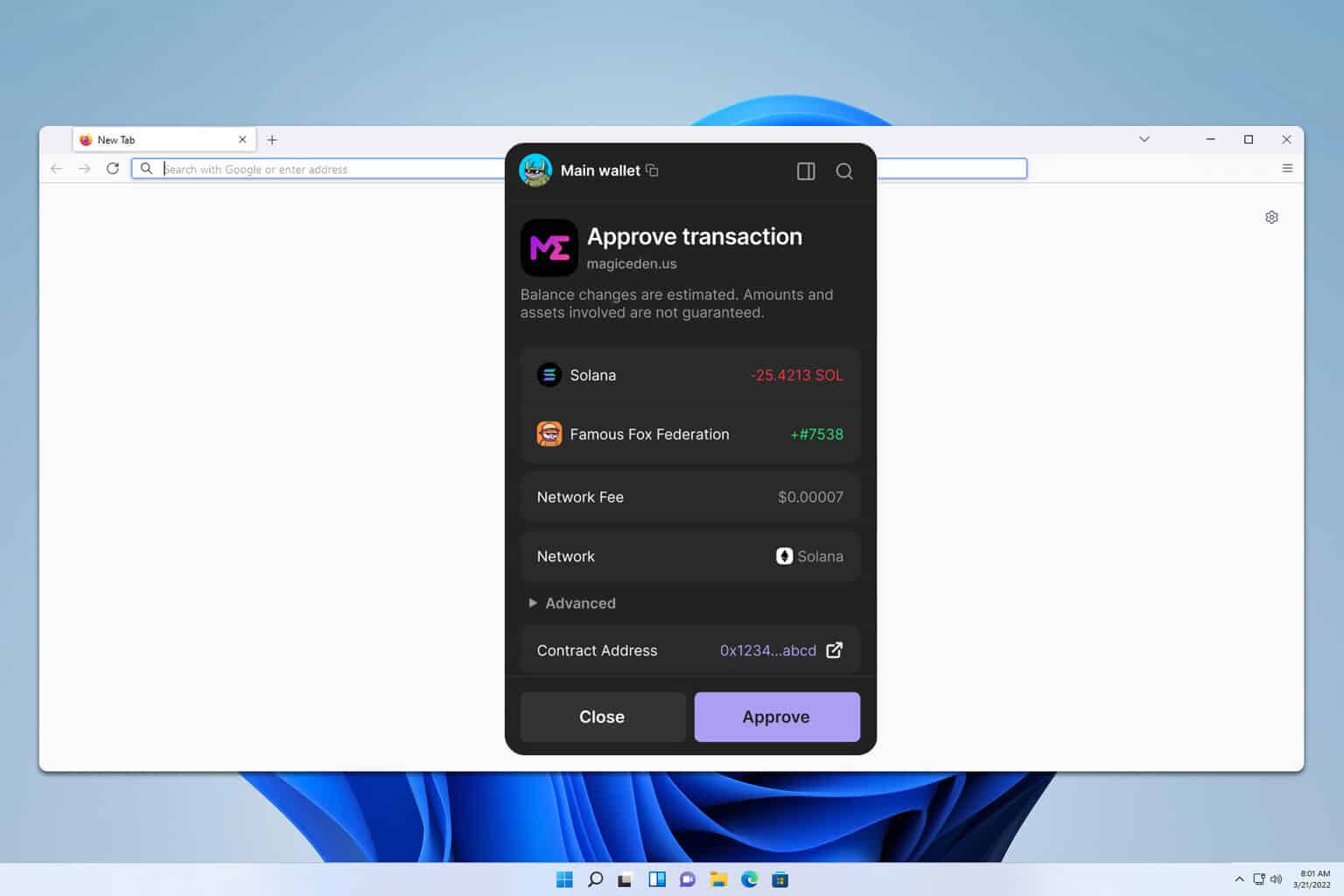
    When you transfer an NFT, pay attention to the transaction preview. Fees on Solana are tiny, but the preview includes the exact instructions being signed. If you see extra accounts or unfamiliar program IDs, pause. On one hand, most transfers are clean; on the other hand, signatures are permissions. Don’t blindly approve is the bottom line.

    Interacting with dApps and marketplaces

    Connecting to a marketplace is straightforward. Click « Connect, » choose Phantom, and approve the connection. The extension will then ask for signature requests when you take actions—minting, buying, or listing. My experience is that Phantom asks for consent at each actionable step, which is good. Though actually, if you’ve granted « trusted » permissions somewhere, be mindful—it’s easy to forget what you allowed last week.

    Pro tip: before signing complex transactions, expand the details in the signature modal. See what programs and accounts are involved. If you can’t make sense of it, ask or research first. I’m not 100% sure about every custom program out there, and you shouldn’t assume all dApps are vetted equally.

    Troubleshooting common problems

    Transactions stuck? Try refreshing the page and checking Solana explorer for status. (Yes, the explorer can be slow at times.) If the extension is missing, ensure you didn’t disable it in the browser settings. If you must reinstall, import with your recovery phrase—not a private key export unless you know what you’re doing.

    Forgot your password but have the seed phrase? Restore the wallet by selecting « Import wallet » and entering the 12-word phrase. If you lost the phrase, that wallet is effectively unrecoverable. It’s harsh, but true.

    FAQ

    Can I use Phantom on mobile and in the browser?

    Yes. Phantom offers a mobile app and a browser extension. The extension is ideal for desktop dApp workflows; the mobile app is convenient for on-the-go checks and signatures.

    Is Phantom free to use?

    The wallet itself is free. Normal Solana network fees apply for transactions; Phantom may surface fiat on-ramps or third-party services for buying SOL, which could include fees from those providers.

    Does Phantom support hardware wallets?

    Yes, Phantom supports Ledger devices so you can keep your private keys offline while still using the browser extension to interact with dApps.

    Okay—closing thought: if you’re exploring Solana NFTs or dApps from a desktop, using a well-configured Phantom extension is one of the smoother experiences out there. I’m biased, but the balance of usability and features is compelling. Still, take the security steps seriously: back up your seed, consider a hardware wallet for large holdings, and isolate crypto activity when you can. If you want a direct place to get the extension, here’s where I started: phantom wallet download extension

  • Trezor Model T — Practical, Secure, and Human: How I Think About Storing Crypto

    Okay, so check this out—I’ve been fiddling with hardware wallets for years. Whoa! My first impression was simple: if your coins matter, put them somewhere you control. Seriously? Yes. At first it felt like overkill. Then I watched a friend lose access to a hot wallet because of a forgotten password and a cloudy backup routine. Oof. That moment stuck with me. My instinct said: backups need to be honest and boring. I’m biased, but the Trezor Model T often lands in that « boring but safe » sweet spot.

    Short version: the Model T is a touchscreen, open-source hardware wallet built to keep private keys offline. It’s not magic. It’s a tool that reduces attack surface compared with leaving keys online. Hmm… something felt off about the marketing fluff around wallets. So I dove deeper. Initially I thought only advanced users needed passphrases and metal backups, but then I realized those features matter for almost everyone who holds meaningful value. Actually, wait—let me rephrase that: not everyone needs every advanced feature, but knowing they exist changes how you plan for loss, theft, or human error.

    Let’s be clear: a good hardware wallet is about layers. PIN protects against casual attackers. The seed (and any passphrase you add) protects against device loss. Firmware updates keep cryptography current. On one hand, this sounds like extra steps; though actually those steps are what stop the expensive mistakes. On the other hand, a complicated routine that nobody follows is worse than a simple routine that you actually use. So pick a workflow you will follow. Keep it simple. Repeat it. Test it.

    Trezor Model T device resting on a desk with a handwritten backup next to it

    Where the Model T shines (and where it doesn’t)

    trezor official resources highlight the Model T’s main strengths: open-source firmware, a secure element for private keys, and a color touchscreen that simplifies confirmation. The touchscreen also reduces risk from host computer malware because you confirm transactions on-device. That matters. Confirming addresses on the device cuts down address-replacement attacks. My gut told me this would be an overblown point, but in practice it’s a real improvement.

    Security features worth knowing: the Trezor Model T uses an industry-respected seed phrase format and supports passphrases (aka a 25th word) for plausible deniability and extra security. It can be used with Trezor Suite or other compatible wallets. The device enforces a PIN and displays transaction details on the hardware, not your computer. Those checks are the difference between « I hope nothing goes wrong » and « I verified this. »

    But it’s not perfect. The touchscreen is convenient, but it also raises concerns about supply-chain integrity and counterfeit devices. Always buy from reputable vendors. If a device arrives with odd packaging or pre-initialized state, don’t use it. Honestly, this part bugs me—because a lot of users skip the basic checks and then panic after a scam. I’m not 100% sure everyone reads the fine print, but they should.

    One more thing: firmware updates. Regular updates patch vulnerabilities and add coin support. You should update, but do it carefully. Back up your seed before making major changes, and follow the vendor’s instructions. On one hand, updating fixes bugs; on the other hand, updates must be applied in a secure way to avoid supply-chain risks. So verify signatures, verify sources, and verify again.

    Now, let’s talk usability. The Model T is approachable for new users when paired with a clear workflow. Example: set a PIN, write down the recovery seed on a backup sheet, and store a metal backup for durability. Repeat. Test recovery on a dummy device every once in awhile. Yes, it’s extra work. But once you do it, you sleep better. The difference between sleeping and sweating at 3 a.m. is real. I will say this: I have a short memory for jargon, so I teach people simple phrases— »PIN, seed, metal »—and that helps them remember the essentials.

    Threat model time. Who are you defending against? If you’re protecting small sums from casual hackers, a basic setup is fine. Want to defend millions? Bring lawyers and threat modeling to the table. The Model T covers many bases but doesn’t eliminate human risk. For high-value storage, you need multisig, geographic separation, and redundant metal backups. That’s where wallets and custody strategies scale beyond one device. On the other hand, most people holding moderate amounts won’t need multisig, though it’s an option if you want stronger guarantees.

    My instinct says: prioritize recovery. A backup that can’t be read when you need it is worthless. So choose materials and storage methods you trust. Paper will burn. Plastic degrades. Metal endures. A well-engraved steel backup stored in two geographically separated vaults is low drama and high durability. Oh, and by the way… write legibly. This is not the time for calligraphy. Keep the seed in the original word order. No sloppiness.

    Okay—let’s get practical. Here’s a simple checklist I use with friends who ask for help:

    • Buy direct from a trusted seller.
    • Verify packaging and device fingerprints at setup.
    • Set a strong PIN and enable passphrase if you understand it.
    • Write your seed on a backup card, then transfer it to metal.
    • Practice a recovery on a clean device every year.

    There, simple. But again—simple is not easy. People stall at the backup step. They think « I’ll do it later. » Don’t. Seriously. Do it now.

    Some troubleshooting notes from real working-through-things experience: if your device doesn’t show expected firmware versions, or the host software complains about device authenticity, disconnect and verify on a separate machine. If you see unsolicited offers to « help » you recover a wallet, that’s a red flag—call it out and run. Initially I thought support calls would be innocuous; then I heard stories of fake support operators. On one hand, official support helps; on the other hand, social engineering is clever. Learn the difference.

    FAQ

    Is the Trezor Model T safe for beginners?

    Yes. It’s designed to be user-friendly while enforcing key security practices. That said, beginners must still follow setup steps: buy from trusted sources, record the seed, and update firmware safely. I’m biased toward simplicity—so keep routines manageable.

    What if I lose my Model T?

    If you lost the device but have the correct recovery seed and passphrase (if used), you can restore the wallet on another compatible device. If the seed is lost, funds are irrecoverable. So backups matter. Very very important.

    Should I use a passphrase?

    Maybe. A passphrase adds another layer of security and plausible deniability. But it’s also an extra thing to remember; lose it, and you lose access. Balance your comfort with risk. Personally, I use a passphrase for higher-value holdings and keep smaller amounts without one for usability.

  • Казино Pinco онлайн новые бонусы для новичков


    Казино Pinco онлайн новые бонусы для новичков ждут вас


    Казино Pinco онлайн новые бонусы для новичков

    Не упустите шанс получить мгновенные предложения, которые увеличат ваши шансы на успех! Первые шаги на новом игровом пути принесут вам приятные сюрпризы. Каждое открытие аккаунта обернется для вас щедрыми акциями, способными прокачать ваш бюджет. Вам достаточно зарегистрироваться и ознакомиться с доступными предложениями.

    Не забывайте про увлекательные турниры и VIP-программы, которые заставят вас чувствовать себя особенным. Выберите свои любимые игры и побеждайте с максимальным комфортом! Каждое вращение может стать началом невероятной истории выигранных призов.

    Как получить приветственный бонус при регистрации в казино Pinco

    Для активации приветственного подарка зайдите на сайт и пройдите пинко регистрация. Укажите необходимые данные: имя, адрес электронной почты и номер телефона. После создания профиля вам будет предложено подтвердить аккаунт через электронное письмо или SMS.

    После подтверждения, выполните первый депозит. Обычно существуют разные варианты пополнения баланса: от банковских карт до электронных кошельков. Обратите внимание на минимальную сумму, необходимую для получения подарка, чтобы не пропустить возможность.

    После внесения депозита бонус автоматически начисляется на ваш счёт. Убедитесь, что вы ознакомились с условиями его использования, включая требования по ставкам, чтобы эффективно воспользоваться предложением.

    Виды бонусов для новичков: что предлагает казино Pinco

    Погрузитесь в мир бесплатных спинов – отличное предложение для тех, кто хочет испытать удачу без лишних затрат. Получите возможность вращать барабаны любимых автоматов, не тратя свои деньги.

    Также предусмотрены депозитные акции, которые приумножат ваш первый вклад. Обычно это процентный бонус, увеличивающий сумму, которую вы можете использовать для ставок. Важно прочитать условия, чтобы понимать, как можно использовать эти средства.

    Не забывайте про кэшбэк – маленький процент от проигрыша возвращается на счет, что создает дополнительный шанс продолжить игру. Этот вариант позволяет минимизировать риски и получать выгоду даже в случае неудач.

    К тому же, часто предлагаются программы лояльности. За активность вы получаете очки, которые можно обменять на различные призы или бонусные средства. Это стимулирует игроков к регулярным посещениям.

    И, разумеется, важно обращать внимание на сроки действия акций. Некоторые предложения могут быть временными, поэтому стоит не упустить возможность воспользоваться ими.

    Советы по использованию бонусов для максимизации выигрышей

    Изучите условия акций перед использованием. Внимательно ознакомьтесь с требованиями по ставкам и сроками действия, чтобы избежать неожиданностей.

    • Выбирайте игры с высоким итоговым процентом выплат. Некоторые игры предлагают лучшие шансы на выигрыш, что позволяет быстрее выполнить условия бонуса.
    • Сосредоточьтесь на одном или нескольких любимых развлечениях. Это даст вам возможность лучше понять механизмы игры и повысить шансы на успех.
    • Используйте стратегии управления банкроллом. Определите лимиты и придерживайтесь их, чтобы не потерять больше, чем планировали.
    • Не спешите использовать все средства сразу. Постепенное освоение бонусов позволяет лучше анализировать результаты и корректировать подход.

    Следите за акциями и изменениями. Обновления условий могут предоставить новые возможности, которые стоит изучить.

    1. Ищите информацию на форумах, где делятся опытом игроки.
    2. Посещайте раздел новостей на платформе, чтобы не упустить выгодные предложения.

    Не забывайте про чат поддержки. В случае возникновения вопросов, обращение к специалистам может помочь прояснить важные моменты.

    • Применяйте бонусы не только для новинок. Иногда в популярных слотах вероятность выигрыша выше, что оправдывает использование акций в таких играх.
    • Выбирайте более низкие метки ставок в начале. Это позволит определить свою стратегию без значительных рисков.


  • Вавада официальный сайт с уникальными бонусами для вас


    Вавада официальный сайт с уникальными бонусами для вас


    Вавада официальный сайт с уникальными бонусами для вас

    Добро пожаловать на официальный сайт Вавада, где каждый игрок получает возможность наслаждаться увлекательными играми и привлекательными предложениями. Мы предлагаем эксклюзивные бонусы, которые сделают ваш игровой опыт незабываемым. Откройте для себя разнообразие слотов, настольных игр и живого казино, а также воспользуйтесь невероятными акциями, которые доступны только на нашей платформе.

    Присоединяйтесь к нашей дружной команде игроков и получите бонус при регистрации, который поможет вам начать ваше путешествие в мир азартных игр. Мы обеспечим высококлассный сервис и безопасность вашего игрового процесса, чтобы вы могли сосредоточиться на выигрыше!

    Специальные предложения и бонусы при регистрации

    Регистрация на официальном сайте Вавада открывает перед вами двери в мир уникальных возможностей. Каждый новый игрок получает эксклюзивные бонусы, которые значительно увеличивают ваши шансы на выигрыш.

    При первом депозите вас ждёт щедрый приветственный бонус, который может достигать 100% от суммы вашего первого пополнения. Это значит, что каждый вложенный рубль будет удвоен, что позволит вам насладиться играми с большей уверенностью.

    Кроме того, у нас есть бонусы без депозита, которые подарят вам возможность попробовать азартные игры совершенно бесплатно. Вам достаточно пройти регистрацию и получить начисления, чтобы начать выигрывать без риска!

    Не забывайте также об еженедельных акциях, которые предоставляют дополнительные средства для игры и акционные вращения. Участвуя в нашем бонусном календаре, вы никогда не упустите шанс получить что-то особенное.

    Чтобы оставаться в курсе всех актуальных предложений, рекомендуем использовать вавада рабочее зеркало, где вы сможете найти всю необходимую информацию о доступных акциях и бонусах.

    Помимо этого, в игре активируются программы лояльности, которые вознаграждают игроков за постоянство и преданность. Каждое ваше действие приносит вам баллы, которые позже можно обменять на ценные призы.

    Не упустите возможность воспользоваться всеми преимуществами регистрации на Вавада и начните свой игровой путь с выгодой!

    Как использовать бонусы и увеличить шансы на выигрыш

    Использование бонусов на игровом сайте Вавада может значительно повысить ваши шансы на успех. Для начала, ознакомьтесь с условиями получения и использования бонусов. Важно понимать, какие именно предложения действуют в данный момент, и как их активировать.

    Первый шаг: зарегистрируйтесь на сайте и начните играть. Многие бонусы доступны только новым игрокам при первой депозите. Так, вы можете получить приятный стартовый капитал, который позволит испытать различные игры.

    Второй шаг: используйте приветственный бонус с умом. Изучите, на какие игры он распространяется. Сосредоточьтесь на тех играх, которые вам нравятся, и которые имеют наивысшую отдачу. Это увеличивает ваши шансы на выигрыш, а также позволяет вам насладиться процессом игры.

    Третий шаг: активно участвуйте в акциях. Вавада предлагает разнообразные программы лояльности и бонусы для регулярных игроков. Это может быть кэшбэк, фрибеты или дополнительные средства на счет. Читайте условия акций и используйте их для получения максимальной выгоды.

    Четвертый шаг: управляйте своим банкроллом. Знайте, сколько денежных средств вы готовы потратить, и придерживайтесь этого лимита. Используя бонусы, старайтесь не рисковать больше, чем планировали, чтобы избежать лишних потерь.

    Пятый шаг: пробуйте разные стратегии игры. Бонусы могут помочь вам экспериментировать с разными играми и тактиками, не рискуя своими средствами. Это может быть полезным для поиска наиболее подходящего стиля игры для вас.

    Следуя этим простым рекомендациям, вы сможете не только использовать доступные бонусы с максимальной выгодой, но и значительно увеличить свои шансы на выигрыш на сайте Вавада.

    Отличия Вавада от других онлайн-казино в плане акций

    Кроме того, Вавада предлагает многоуровневую программу лояльности. Каждому игроку начисляются баллы за ставки, которые можно обменивать на деньги или другие привилегии. Это создает дополнительный стимул для игры и активного участия в жизни казино, что редко встречается в других онлайн-платформах.

    Также стоит отметить, что Вавада регулярно проводит турниры и розыгрыши с призами, включая крупные джекпоты. Это создает атмосферу соревнования и увеличивает интерес к играм. Другие казино часто ограничиваются стандартными акциями, не предлагая подобного уровня вовлеченности.

    Вавада акцентирует внимание на индивидуальном подходе к каждому игроку. Часто проводятся персонализированные предложения, которые учитывают историю игрового процесса, что позволяет игрокам получать бонусы, соответствующие их предпочтениям.

    Каждое новое событие или акция сопровождаются ясными условиями, что помогает избежать недопонимания и делает процесс более прозрачным. Это отличает Вавада от многих других платформ, где условия могут быть не всегда очевидны. Это создает доверие и позитивный опыт для пользователей.


  • Безопасные азартные игры в крипто казино с высокой выгодой


    Безопасные азартные игры в крипто казино с высокой выгодой


    Безопасные азартные игры в крипто казино с высокой выгодой

    Ищите способ увеличить свой капитал с минимальными рисками? Попробуйте платформы с уникальными условиями, которые предлагают выгодные ставки и щедрые бонусы. Множество вариантов развлечений подойдут как новичкам, так и опытным участникам. Выбирайте надежные ресурсы с прозрачными лицензиями и охраной личных данных.

    Регулярные акции, вознаграждения за лояльность и возможности быстрой перевода средств делают эти платформы особенно привлекательными. Не упустите шанс испытать удачу и при этом гарантировать себе хороший доход. Не ждите, действуйте сейчас и наслаждайтесь увлекательным процессом!

    Как выбрать надежное крипто казино для азартных игр

    Выбирая платформу для проведения развлекательных мероприятий с использованием цифровых валют, обратите внимание на следующие аспекты:

    • Лицензирование: Убедитесь, что сайт имеет действующую лицензию от авторитетного регулятора. Это подтверждает, что платформа соблюдает правила и стандарты игры.
    • Репутация: Исследуйте отзывы пользователей. Платформы с положительным имиджем и отзывами сообществ могут служить лучшей гарантией качества услуг.
    • Выбор развлечений: Ознакомьтесь с ассортиментом предложений. Широкий выбор товаров обеспечивает возможность найти что-то на свой вкус.
    • Клиентская поддержка: Проверьте, как работает служба поддержки: доступность, скорость ответа и качество помощи. Надежный сервис должен быть доступен 24/7.
    • Бонусы и акции: Обратите внимание на маркетинговые предложения. Привлекательные бонусы могут значительно улучшить ваш опыт, но изучите условия получения и отыгрыша.

    Следуйте этим рекомендациям, чтобы обеспечить себе положительный опыт в мире виртуальных развлечений с использованием цифровых активов.

    Топ-5 стратегий для повышения выигрыша в крипто азартных играх

    Определите четкий бюджет и строго его придерживайтесь. Установите максимальную сумму, которую готовы потратить, и никогда не превышайте её. Это поможет избежать ненужных потерь и сохранить контроль над финансами.

    Изучите правила и стратегии выбранных вами развлечений. Хорошее понимание механик и математических вероятностей значительно увеличит шансы на выигрыш. Можно потратить время на исследование, или даже посетить онлайн казино биткоин, чтобы протестировать свои навыки без риска.

    Выбирайте игры с высоким коэффициентом возврата игроку (RTP). Чем выше этот показатель, тем больше вероятность того, что вы вернете часть средств. Изучите таблицы RTP для каждой игры перед началом.

    Участие в акциях и бонусах. Многие заведения предлагают различные поощрения для новых и постоянных клиентов. Используйте их с умом. Бонусы могут увеличить ваши ставки, что, в свою очередь, дает больше шансов на успех.

    Не забудьте про управление эмоциями. Сохраняйте хладнокровие, даже если потери начинают накапливаться. Эмоции могут вызвать необдуманные решения. Сфокусируйтесь на стратегии и не позволяйте эмоциональной составляющей вмешиваться в вашу игру.

    Обзор технологий безопасности для защиты игроков в крипто казино

    Шифрование данных – еще один важный аспект. При передаче информации используйте HTTPS-протокол для защиты вашей личной информации. Убедитесь, что платформа постоянно обновляет свои сертификаты безопасности.

    Использование технологии блокчейн также помогает обеспечить прозрачность и надежность. Каждая транзакция регистрируется в распределенной базе данных, что делает манипуляции практически невозможными и позволяет игрокам отслеживать свою историю ставок.

    Настройка алгоритмов обнаружения мошенничества играет значительную роль в сохранении целостности игрового процесса. Современные системы способны оперативно выявлять подозрительные действия и блокировать аккаунты при необходимости.

    Регулярные аудиты и тесты на уязвимости проводятся сторонними экспертами. Это гарантирует, что платформа соблюдает высшие стандарты безопасности и защищает интересы игроков.

    Применение автоматизированных систем мониторинга позволяет в реальном времени отслеживать действия пользователей и выявлять потенциальные угрозы. Чем быстрее система реагирует, тем меньший риск для игроков.