Okay, so check this out—I’ve been living in Solana land for a while and Phantom keeps popping up. Wow. At first I just thought it was another wallet. Then I tried moving an NFT, paying a tiny fee, and honestly my jaw dropped. The UX is clean. The UX is fast. And the extension model really fits how people use web3 in the browser. My instinct said this could be a big deal, and after poking around more, that hunch held up.
Phantom acts as a local wallet and an interface to Solana dApps. It stores keys in the browser extension, lets you sign transactions, manages NFTs and SPL tokens, and offers swaps and staking within the same UI—convenient, but also an area where you need to be careful. I’ll be honest: convenience comes with trade-offs. But when used properly Phantom can be both safe and powerful. For a straightforward way to get the extension, try the official-looking download page I used: phantom wallet download extension
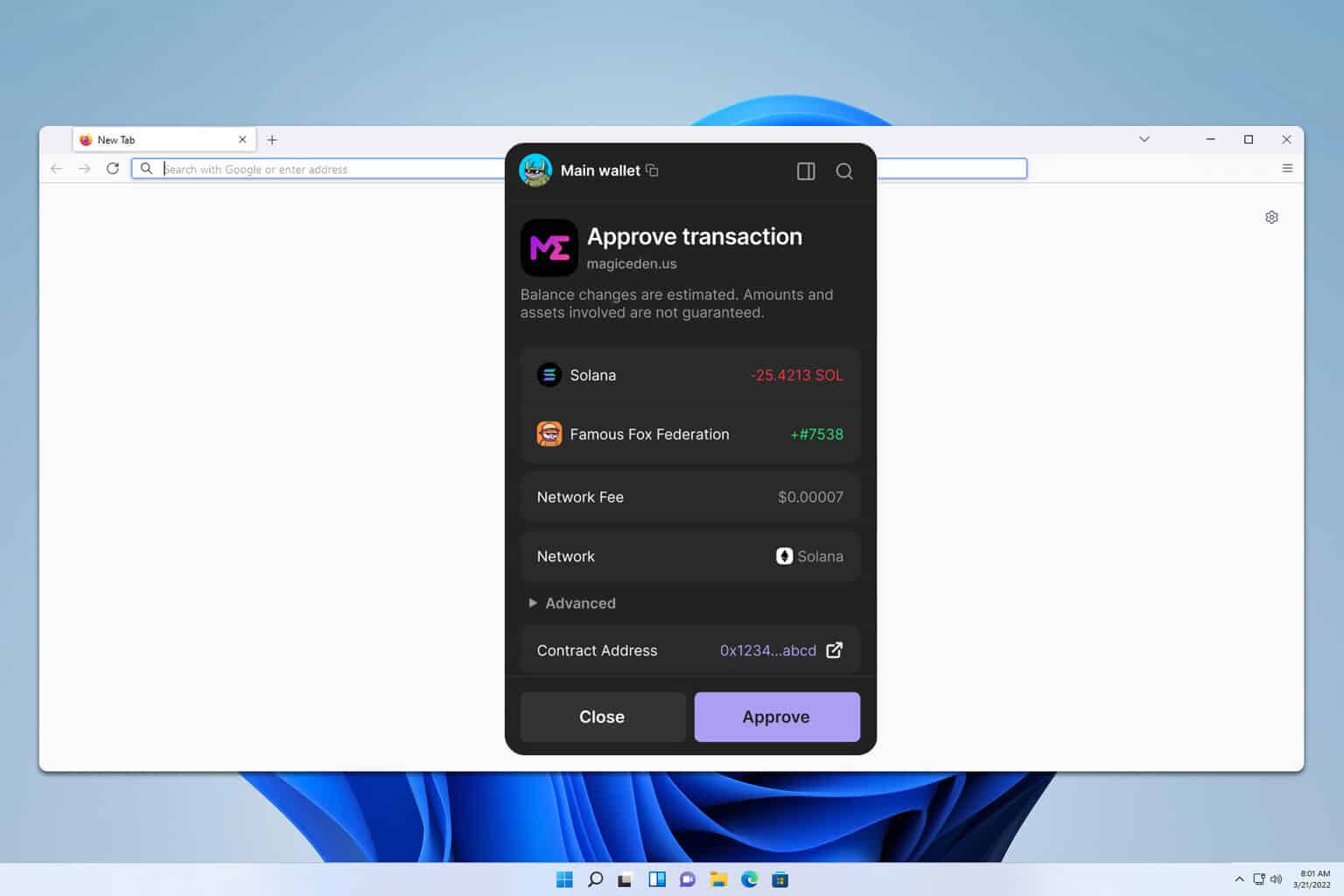
What the Browser Extension Does (and why that matters)
Short version: it connects your browser to the Solana blockchain. Seriously? Yes. It injects a wallet into the page so dApps can request signatures. That lets you mint, trade, stake, and interact with NFTs and DeFi. Compared to desktop or hardware-only workflows, the extension is instant—no need to sync a full node. But remember: browser extensions have a larger attack surface than hardware wallets.
On the other hand, Phantom has some niceties that make everyday use pleasant. It shows token balances neatly. It previews transactions. It displays NFTs inline. And it offers in-wallet swaps so you don’t need to hop into another exchange for simple trades—handy, but also something to audit mentally before approving.
Installing the Extension — quick checklist
Want the cliff notes? Here’s the normal flow:
- Open your Chromium-based browser (Chrome, Brave, Edge) or Firefox.
- Visit the extension store or use the link above to the download page and add the extension.
- Choose « Create a new wallet » or « Import wallet » if you already have a seed phrase.
- Write the 12-word recovery phrase on paper. For real—paper. No screenshots.
- Set a strong password for the extension for local access.
Initially I thought I could skip writing the phrase down, but then I realized—duh—that’s asking for trouble. Actually, wait—let me rephrase that… back up the seed off-device, in a safe place. If your machine dies or your profile gets corrupted, that phrase is your lifeline.
Security best practices (practical, not scary)
Here’s what I do and recommend:
– Treat the seed phrase like cash. If someone gets it, they get everything. No cloud backups, no photos.
– Use a hardware wallet for large balances. Phantom supports Ledger devices, so you can sign through the extension while keeping keys offline.
– Keep the extension updated. Updates often patch vulnerabilities or improve phishing protections.
– Use a separate browser profile for crypto activity—or a dedicated browser entirely. It limits cross-site exposure. This part bugs me in larger organizations where people mix work and wallet activity.
NFTs, storage, and everyday use
Phantom’s NFT gallery is pleasant: images load fast, metadata is visible, and you can send NFTs with a couple of clicks. Something felt off about a few collections early on, though—the metadata wasn’t standardized across all mints—which means sometimes artwork previews might not show correctly. On the whole, though, it’s way better than juggling CSV exports or clunky UIs.
When you transfer an NFT, pay attention to the transaction preview. Fees on Solana are tiny, but the preview includes the exact instructions being signed. If you see extra accounts or unfamiliar program IDs, pause. On one hand, most transfers are clean; on the other hand, signatures are permissions. Don’t blindly approve is the bottom line.
Interacting with dApps and marketplaces
Connecting to a marketplace is straightforward. Click « Connect, » choose Phantom, and approve the connection. The extension will then ask for signature requests when you take actions—minting, buying, or listing. My experience is that Phantom asks for consent at each actionable step, which is good. Though actually, if you’ve granted « trusted » permissions somewhere, be mindful—it’s easy to forget what you allowed last week.
Pro tip: before signing complex transactions, expand the details in the signature modal. See what programs and accounts are involved. If you can’t make sense of it, ask or research first. I’m not 100% sure about every custom program out there, and you shouldn’t assume all dApps are vetted equally.
Troubleshooting common problems
Transactions stuck? Try refreshing the page and checking Solana explorer for status. (Yes, the explorer can be slow at times.) If the extension is missing, ensure you didn’t disable it in the browser settings. If you must reinstall, import with your recovery phrase—not a private key export unless you know what you’re doing.
Forgot your password but have the seed phrase? Restore the wallet by selecting « Import wallet » and entering the 12-word phrase. If you lost the phrase, that wallet is effectively unrecoverable. It’s harsh, but true.
FAQ
Can I use Phantom on mobile and in the browser?
Yes. Phantom offers a mobile app and a browser extension. The extension is ideal for desktop dApp workflows; the mobile app is convenient for on-the-go checks and signatures.
Is Phantom free to use?
The wallet itself is free. Normal Solana network fees apply for transactions; Phantom may surface fiat on-ramps or third-party services for buying SOL, which could include fees from those providers.
Does Phantom support hardware wallets?
Yes, Phantom supports Ledger devices so you can keep your private keys offline while still using the browser extension to interact with dApps.
Okay—closing thought: if you’re exploring Solana NFTs or dApps from a desktop, using a well-configured Phantom extension is one of the smoother experiences out there. I’m biased, but the balance of usability and features is compelling. Still, take the security steps seriously: back up your seed, consider a hardware wallet for large holdings, and isolate crypto activity when you can. If you want a direct place to get the extension, here’s where I started: phantom wallet download extension
Laisser un commentaire